
Kenya Safari From India: Best Months And What To Expect
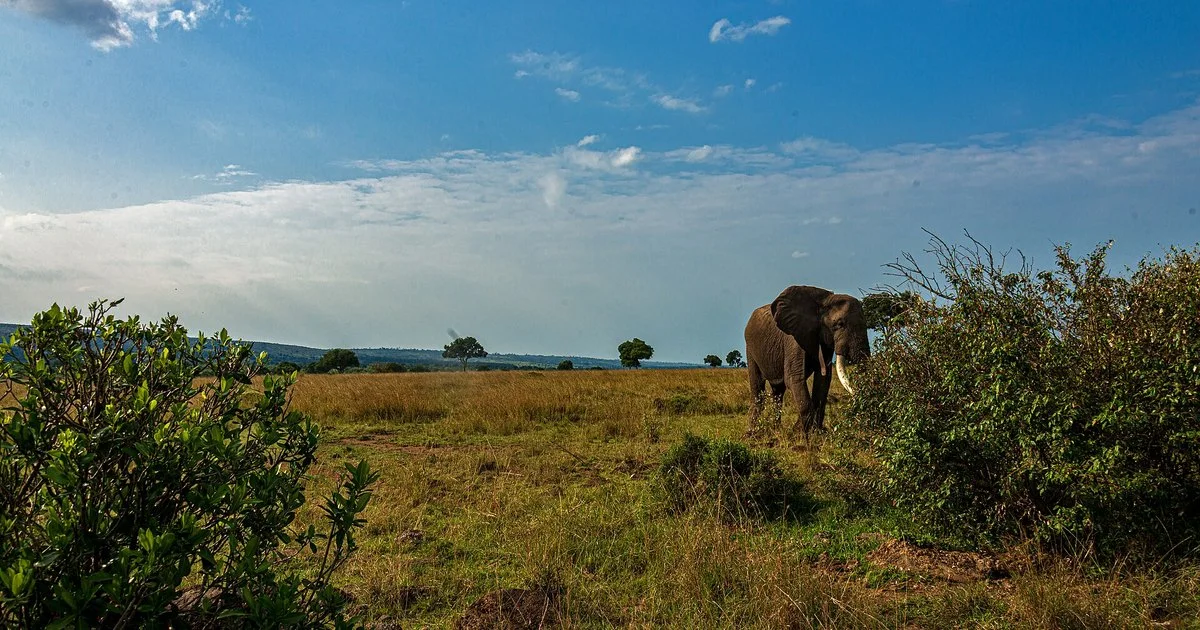
Picture a lion walking past your vehicle at golden hour, close enough that you hear the grass move. Then picture doing it with a guide who knows where the cats rest. A Kenya safari is easier to plan than most people expect, and a six-night trip starts in Nairobi and covers the places that matter: the Masai Mara, Lake Naivasha and Lake Nakuru.
At A Glance
- The classic safari season is late June to October, and the Great Migration usually peaks from July to September.
- A six-night trip covers Nairobi, the Masai Mara, Lake Naivasha and Lake Nakuru.
- Seven days and six nights, with lodge stays, game drives and park entry fees in the plan. Ask us what else is covered for your dates.
Nairobi: The City With A Park On Its Doorstep
Nairobi is one of the few big cities with a national park on its edge. Nairobi National Park sits on the city’s edge, and buffalo, giraffe and rhino graze in view of the towers.
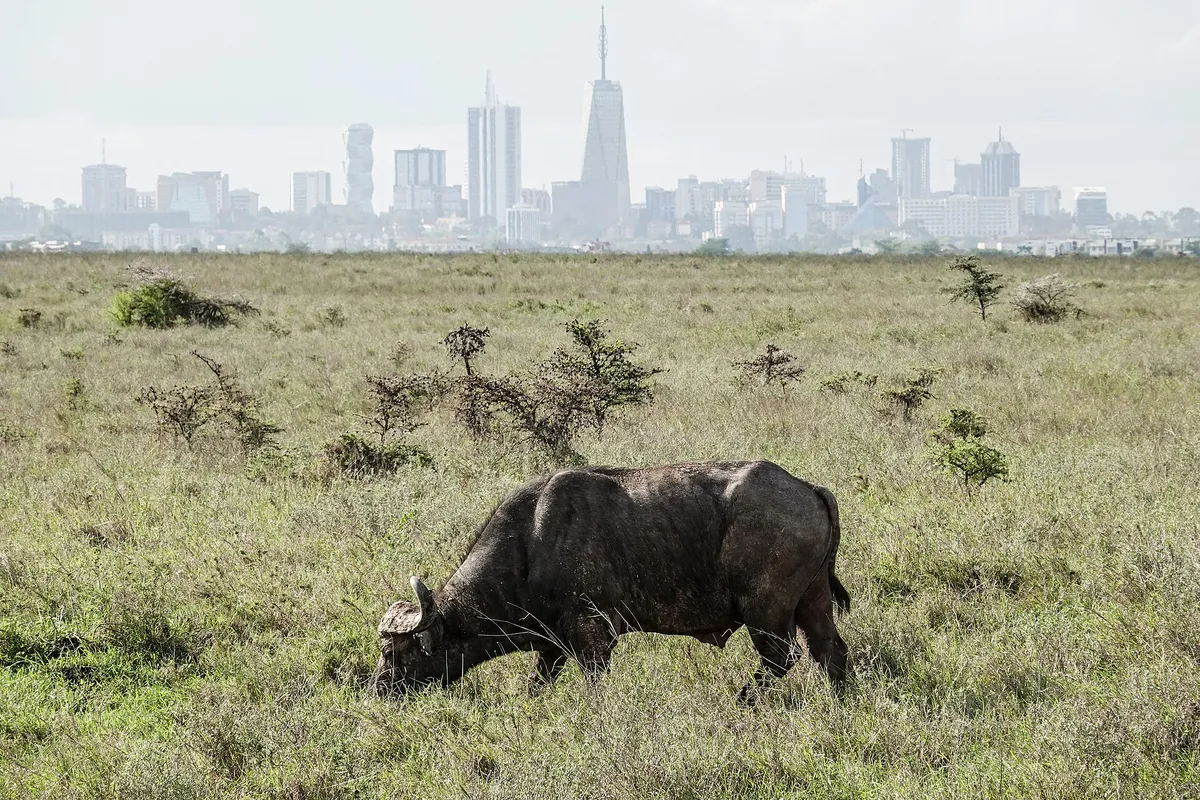
A buffalo grazes on open grassland with the Nairobi skyline in the distance. Photo: Buffalo Nairobi Skyline Savannah Kenya May19 R1600769 by Timothy A. Gonsalves, CC BY-SA 4.0.
Use the city for the first day: rest after the flight, see its culture and shopping, and meet your driver guide.
Masai Mara: The Main Event
This is the heart of the trip. You do an evening game drive on arrival and a full day drive after that, in a 4×4 Land Cruiser with a pop-up roof, so you can stand and photograph. Our itinerary has you staying at Sopa Lodge. The Masai Mara is Kenya’s best-known reserve, and it is where the Big Five (lion, leopard, elephant, rhino and buffalo) live. Nobody can promise all five, but the Mara gives you the best chance.
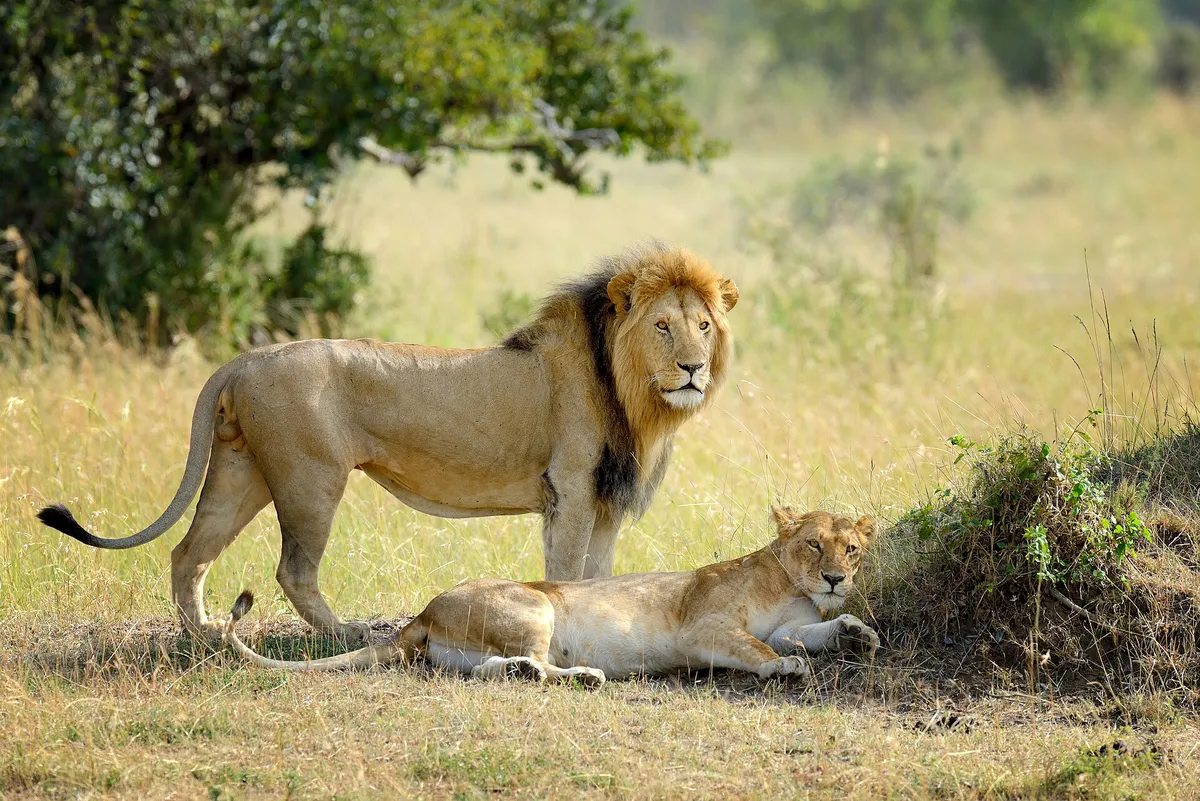
A male lion stands beside a lioness on the grassy plains of the Masai Mara. Photo: Family of lions during the mating season by Byrdyak, CC BY-SA 4.0.
Safari days start early, because animals are most active at dawn and in the late afternoon. Expect a wake-up around dawn, a game drive, breakfast, a rest at midday and an evening drive.
The Great Migration: When And Why
The Great Migration is the movement of huge herds of wildebeest and zebra between Tanzania’s Serengeti and the Mara, following the rains. They usually reach the Mara from around July, and river crossings are most often seen in August and September. A crossing is never guaranteed, and even in the right month it can take a day of waiting.
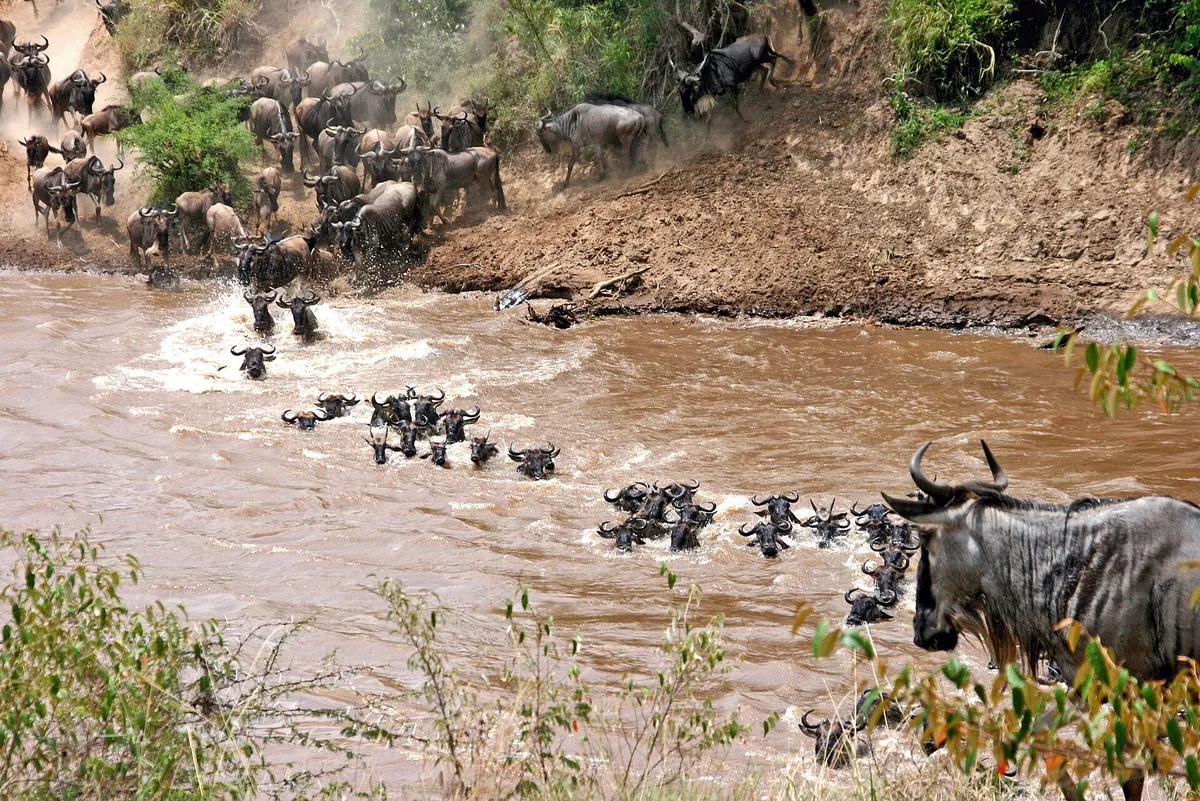
Wildebeest cross a muddy river in the Masai Mara during the Great Migration. Photo: Connochaetes taurinus -Wildebeest crossing river -East Africa by Eric Inafuku, CC BY 2.0.
If the migration is your goal, book early. Mara lodges fill up months ahead for the peak weeks.
Best Months At A Glance
| Months | What To Expect |
|---|---|
| January to February | Warm, drier, fewer visitors |
| March to May | Long rains, quiet parks, muddy roads |
| Late June to October | Classic dry season, Great Migration usually July to September |
| November to December | Short rains, green landscapes |
Rain and herd movements change every year, so treat these as general patterns.
Lake Naivasha: Hippos From A Boat
After the Mara, Lake Naivasha is a softer stop. It is a freshwater lake in the Rift Valley, ringed with acacia trees, and a boat ride on the lake is part of the plan. You can see hippos in the water and plenty of birds. You stay at Simba Lodge.
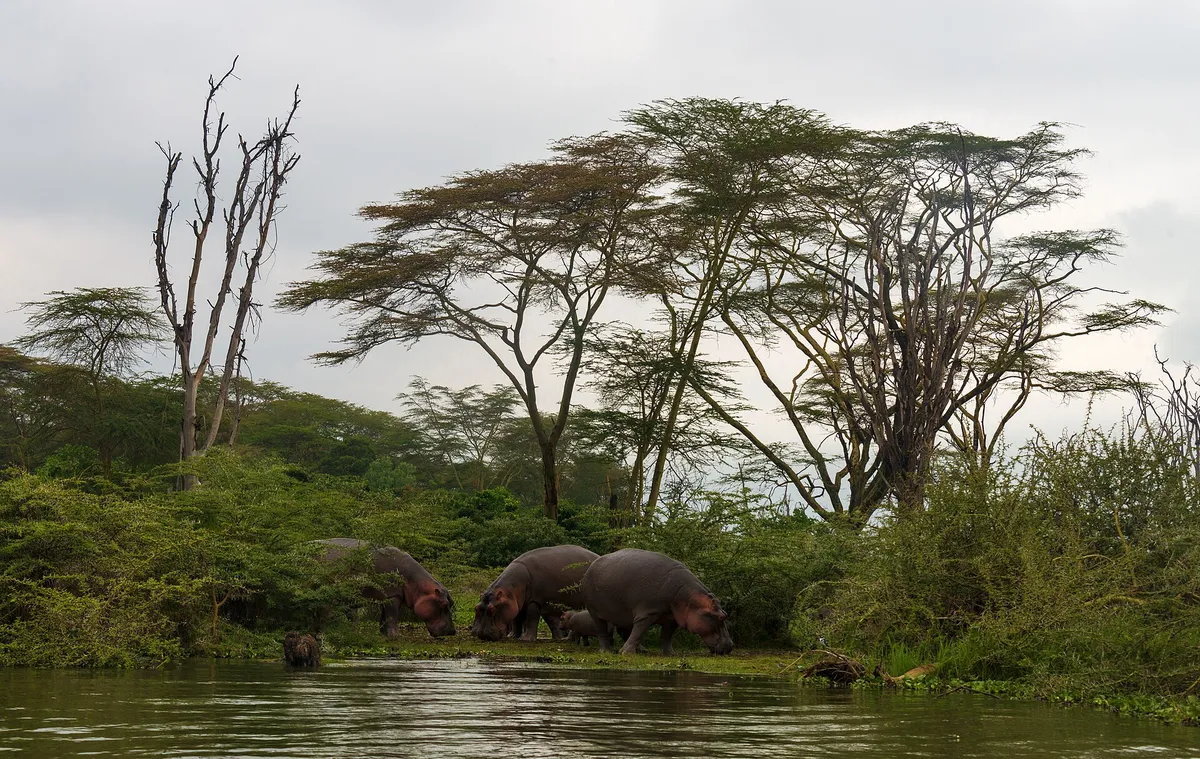
A group of hippos grazes at the edge of Lake Naivasha under acacia trees. Photo: Group of hippos eating under acacia trees on the shore of Lake Naivasha, Kenya by Daniel Case, CC BY-SA 4.0.
Lake Nakuru: Flamingos And Rhinos
Lake Nakuru National Park is known for its birdlife and for its rhinos. Flamingo numbers depend on the water level, so they change from year to year, but when the flocks arrive the shoreline turns pink. It is a day drive from Naivasha, and you return to the same lodge for the night.
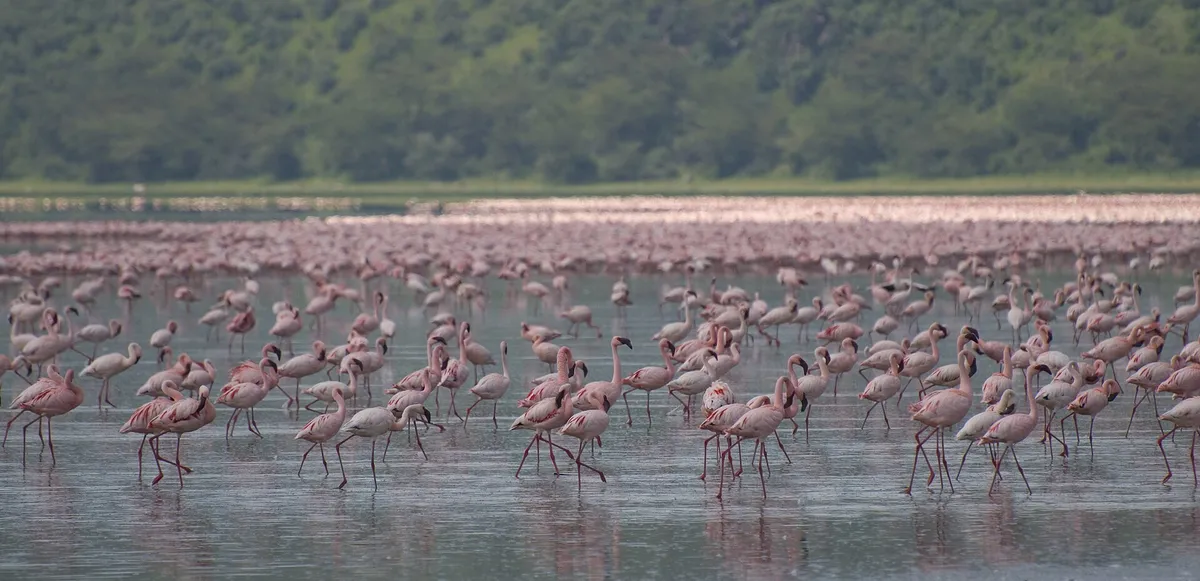
Flamingos wade in the shallows of Lake Nakuru. Photo: Flamingos, Lake Nakuru by Paul Mannix, CC BY-SA 2.0.
What Is Included
Our Nairobi Safari Kenya tour is seven days and six nights. Price is available on request. The plan covers six nights in lodges and a hotel, meals as per the itinerary, a 4×4 Land Cruiser with a pop-up roof, an English-speaking driver guide, park entry fees for the Masai Mara and Lake Nakuru, the Naivasha boat ride, game drives and airport transfers. Ask us what is and is not included for your dates.
What To Carry
- Neutral clothes (greens, browns, khaki), a warm layer for early mornings and a hat
- Binoculars and a camera with a good zoom
- Sunscreen and insect repellent
- Any regular medication, in its original packing
Questions People Ask
Do Indian travellers need a visa for Kenya? Entry rules for Kenya have changed in recent years, so ask our team for the current position close to your booking date. The Kenya Wildlife Service site has park rules and fees.
Is it safe? A licensed operator with a driver guide is the normal way to see the parks. Follow the guide’s instructions, stay in the vehicle during drives, and check the Indian government’s travel advisory before you go.
Is it good for older people and children? Usually, with a few cautions. Days are long, so it suits children who can sit through a drive, and older relatives who can manage rough roads. Ask us about age rules at the lodges.
Plan Your Kenya Safari
See all our international tours, or tell us your dates and who is travelling. We will check availability for the Mara lodges and send you a plan. Send Us Your Dates. Our WhatsApp and phone numbers are on the Contact Us page.